
ServicesBridge Loans
Bridge Loans in Round Rock
Found the next place before the current one sold? A bridge loan uses the equity you already have to cover the down payment and closing costs on the new purchase. We help you size it, line up the exit plan, and set the timing before you make an offer.
What a Bridge Loan Does
A bridge loan is short-term money backed by the equity in a property you already own. You use it to buy the next one, then pay it off when the first one sells. It fills the gap between two closings.
It is not meant to last. Most are set up for a matter of months, and the whole plan depends on the sale of your current property. That is why we start with the exit, not the loan. We look at what the place will likely sell for, what you still owe on it, and how long a sale could realistically take.
Sometimes a bridge loan is the right call. Sometimes a HELOC opened before you list, or a contingent offer, does the same job for less. We will tell you which fits your numbers.
What You Get From Us
An equity check up front
We estimate the value of your current property and subtract what you owe. That number sets how much the bridge can cover.
Both payments, on paper
For a stretch you may carry the old mortgage, the bridge and the new home loan at once. We lay out every monthly payment so you know whether your budget holds if the sale runs long.
The new purchase financed together
The bridge only covers the gap. We also handle the loan on the house you are buying, whether that is conventional, FHA or VA, so both pieces line up.
A written cost breakdown
Rate, fees, term and payoff terms in writing, line by line. No surprises at closing.
Straight talk on alternatives
If a HELOC or a smaller down payment would work better, we say so before you apply.
Signs a Bridge Loan Makes Sense
Your down payment is tied up in equity
The cash you need is sitting in the property you own now. You can't reach it until you sell, and the right house won't wait.
Sellers won't take a contingent offer
In a busy spring market, an offer that depends on your sale often loses. A bridge lets you write a clean offer.
You want one move, not two
Selling first can mean a short-term rental and moving twice. Buying first lets you move once and sell an empty, easier-to-show property.
You're downsizing with plenty of equity
Buyers with a large stake in their current place and a smaller next purchase are often a good fit, since the numbers leave room.
A job start date is fixed
When you have to be in place by a certain week, planning the bridge early keeps the date from forcing a rushed sale.
How the Process Runs
- 1
First call about timing
We talk through what you own, what you owe, what you want to buy and when. This takes a phone call, not a stack of forms.
- 2
Application and documents
You complete a loan application covering both the bridge and the new home loan. We ask for pay stubs or tax returns, bank statements, and your current mortgage statement.
- 3
Valuation and pre-approval
The current property is valued so we know the real equity. Then you get a pre-approval for the purchase with the bridge already built in, so you can shop with firm numbers.
- 4
Closing on the new place
The bridge funds at or before closing and covers the down payment and costs. You move in on your schedule.
- 5
Payoff at the sale
When your old property sells, the bridge is paid off from the proceeds at that closing. We stay in touch through the listing period in case anything shifts.
What Moves the Cost
Bridge loans usually cost more than a standard home loan because they are short and depend on a sale. What you pay comes down to a few things we can measure before you commit. We go over each one by phone and put the totals in writing.
- How much equity you have
- More equity means less risk and usually better terms. Thin equity can limit the amount or rule a bridge out.
- Your credit and income
- You have to qualify for the payments you may carry at the same time. Stronger credit and steady income help the rate.
- Length of the term
- A longer term gives you room if the sale is slow, but adds interest and sometimes fees. We size it to a realistic sale timeline.
- How the loan is set up
- Some bridges pay off your current mortgage and sit in first position. Others sit behind it as a second lien. The structure changes the payment and the cost.
- How fast the property will likely sell
- Condition, price point and the season you list all affect the risk. A property ready to show usually means a shorter, cheaper bridge.
Bridge Loan Questions
Something not covered here? (512) 955-5203
What happens if my current property doesn't sell in time?
You keep making payments, and the bridge comes due at the end of its term. That is the main risk, so we plan for it before you apply. We look at whether your budget can carry the payments longer, and we talk about pricing the listing to sell. Some loans can be extended, but you should not count on that.
Do I make payments on the bridge loan every month?
It depends on the loan. Some require monthly interest payments, and some roll the interest into the payoff at the sale. We show you which setup you are getting and what it costs before closing.
Is a HELOC cheaper than a bridge loan?
Often it is. The catch is that many lenders won't open a HELOC on a property that is already listed for sale. If you are planning a move a few months out, opening one first can be the better route. We will compare both for you.
Can I use a bridge loan with a VA or FHA purchase?
In many cases, yes. The bridge covers the gap and the new purchase is financed separately. The program rules for the new loan still apply, including how the extra payment counts against your income. We check that early so nothing stalls near closing.
Can investors use a bridge loan?
Yes, for some deals. If you are buying a rental or a property to fix and resell, we may point you to our hard money loans instead, since they are built for that kind of short-term project.
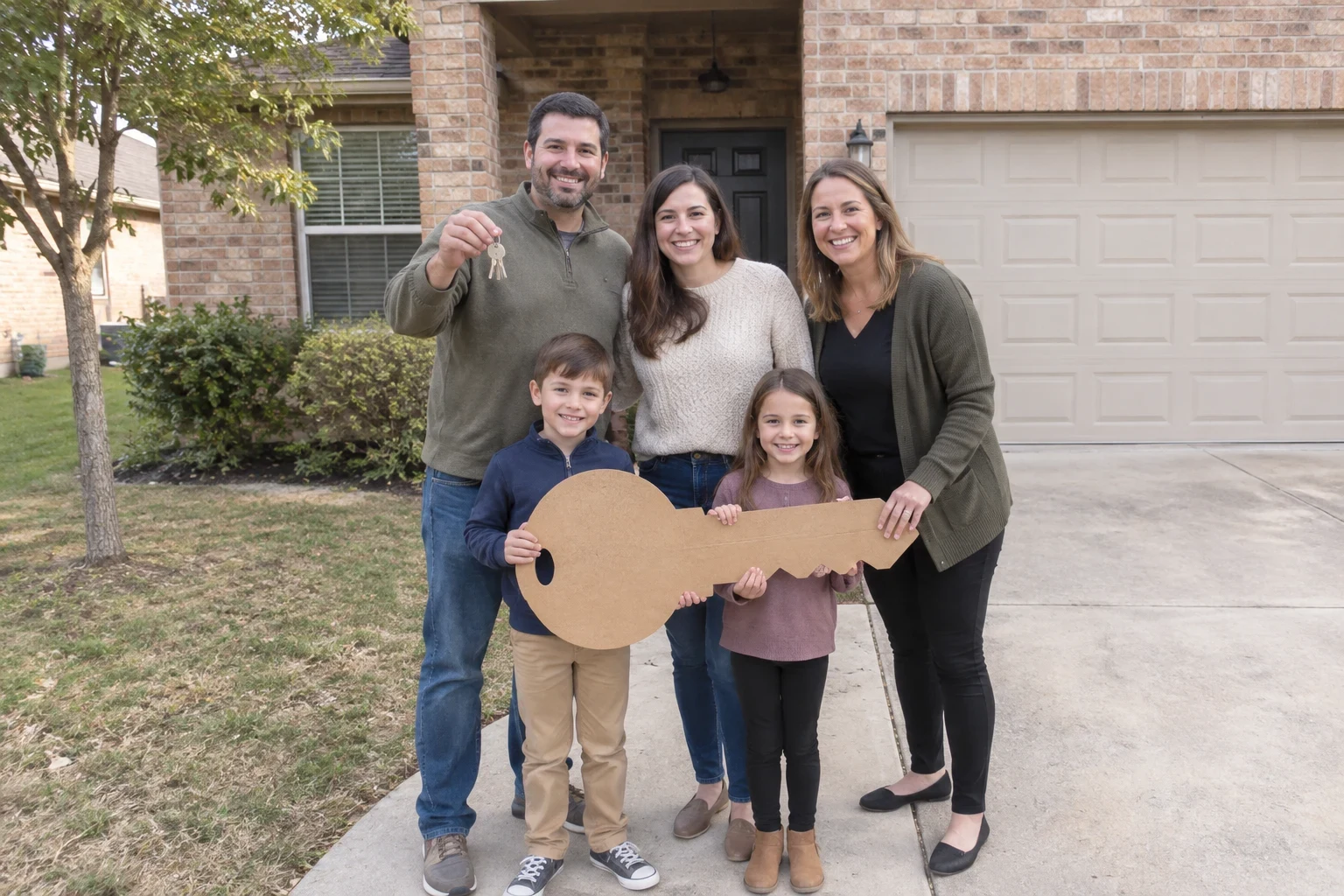
Plan the Gap Before You Make an Offer
The best time to set up a bridge is before you find the house. A short call tells you how much equity you can use and what the payments look like.