
ServicesConventional Loans
Conventional Loans in Round Rock
A conventional loan is the standard home loan most buyers use. We look at your income, credit and savings first, then show you what the payment, down payment and cash to close look like. You get real numbers before you make an offer.
What a conventional loan is and who it fits
A conventional loan is not backed by a government agency. It follows rules set by Fannie Mae and Freddie Mac. That makes it a good fit for borrowers with steady income, decent credit and some savings for a down payment.
You do not need 20 percent down. Many buyers put down less and pay private mortgage insurance for a while. Unlike FHA mortgage insurance, that coverage can come off once you build enough equity. We show you when that point is likely to arrive.
Conventional loans also work for second homes and rental property, and for a rate-and-term or cash-out refinance. If your credit is thin or your savings are small, we will tell you plainly whether an FHA, VA or USDA loan would serve you better.
What we handle on a conventional loan
A first look at your numbers
We go over income, debts, credit and savings with you. You learn your likely price range before you fall for a house you cannot afford.
Down payment options side by side
We price out a few down payment amounts. You see how each one changes the monthly payment, the mortgage insurance and the cash you bring to closing.
Pre-approval letter
Once your documents check out, we issue a pre-approval your agent can send with an offer. Sellers take it more seriously than a guess.
Rate lock timing
Rates move. We explain when locking makes sense for your contract date and what happens if closing slips.
Appraisal and underwriting follow-up
We order the appraisal, answer underwriter questions and tell you what paperwork is still needed. You hear from us before a deadline, not after.
Closing coordination
We work with the title company so your figures are final ahead of time. No guessing at the table.

Signs a conventional loan may be your best fit
- Your credit is in good shape
- Stronger credit usually earns a better rate and cheaper mortgage insurance on a conventional loan. If your score has climbed lately, it is worth checking.
- You have saved some down payment
- Even a modest down payment can work. More down means a lower payment and less mortgage insurance.
- You want mortgage insurance that ends
- Conventional mortgage insurance can be removed as you pay down the balance or the property gains value. That can save real money over time.
- You are buying a second home or rental
- Government-backed loans are mainly for the place you live. A conventional loan can finance a getaway or an investment property.
- You plan to refinance an older loan
- If you have an FHA loan and solid equity now, moving to a conventional loan may drop the mortgage insurance for good.
How a conventional loan moves from first call to closing
- 1
A short phone conversation
We ask about your goals, timeline, income and savings. We can meet at our office or by phone and video, whichever suits you.
- 2
Application and documents
We take your loan application over the phone, then you send pay stubs, W-2s, tax returns and bank statements. We tell you exactly what is missing so nothing stalls later.
- 3
Pre-approval and house hunting
We issue your pre-approval and stay on hand while you shop. If a house comes in higher than planned, we rerun the numbers the same week.
- 4
Contract, appraisal and underwriting
After your offer is accepted, we lock the rate, order the appraisal and work through underwriting. You get updates as each condition clears.
- 5
Closing day
You review the closing disclosure ahead of time, sign at the title company and get the keys. The figures should match what we went over.
What moves the cost of a conventional loan
No two conventional loans cost the same. Your rate, mortgage insurance and closing costs depend on a handful of things we can look at early. Knowing them months ahead gives you time to improve the ones you control.
- Credit score
- Higher scores usually get better rates and lower mortgage insurance. A few points can matter, so we check before you apply elsewhere.
- Down payment size
- Putting more down lowers the loan amount and the insurance. Reaching 20 percent removes mortgage insurance from the start.
- Debt-to-income ratio
- Car notes, student loans and card balances count against your income. Paying one off before you apply can change what you qualify for.
- Property type and use
- A condo, second home or rental is priced differently from a single-family place you live in. Investment property usually carries a higher rate.
- Points and lock length
- You can pay points to buy a lower rate, or skip them. A longer rate lock can also cost more, which is why timing the lock matters.
Conventional loan questions we hear often
- How much do I need for a down payment?
- Some conventional programs allow a small down payment for buyers who qualify. Many borrowers put down somewhere between that and 20 percent. We show you the trade-off in payment and mortgage insurance for each amount so you can pick what fits.
- When can I drop private mortgage insurance?
- You can usually ask to remove it once you reach 20 percent equity, and it comes off on its own at 22 percent based on the original schedule. Rising property values or extra principal payments can get you there sooner. We walk you through the request when the time comes.
- What credit score do I need?
- Conventional loans generally ask for a higher score than FHA loans. The exact cutoff depends on the program and your other numbers. If you are close, we can suggest steps to raise your score before you apply.
- Is conventional better than FHA?
- It depends on your credit and savings. With good credit, conventional often costs less over time because the mortgage insurance can go away. With lower credit or a smaller down payment, FHA may come out ahead, and we will tell you so.
- Can I use gift money for the down payment?
- Yes, on a home you will live in, a family member can usually gift some or all of it. The gift needs a signed letter and a paper trail showing where the money came from. We tell you what to gather before the funds move.
- How long does it take to close?
- Many conventional loans close in about a month once you are under contract. Having your documents ready and a pre-approval in hand shortens the wait. Delays usually come from missing paperwork or appraisal scheduling.
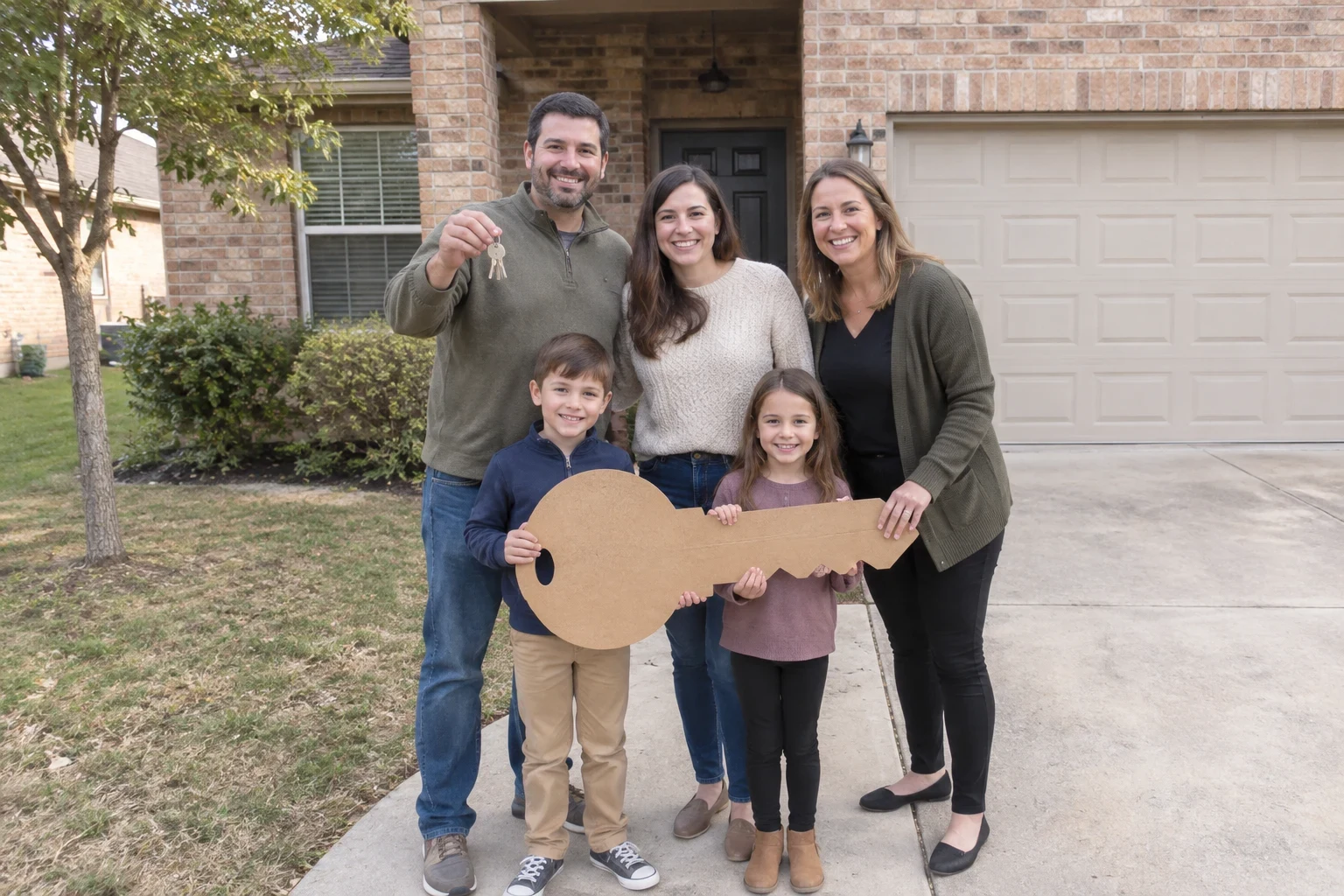
Plan your conventional loan before the search starts
A few months of lead time can mean a better rate and a smaller surprise at closing. Talk with a loan officer about your numbers and get a rate quote to plan around.